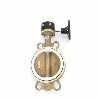
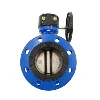
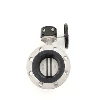
Flaps are typically flat or disc-shaped and are made from a wide range of materials, depending on the intended application and fluid properties. Common materials include metals like stainless steel, brass, and bronze, as well as various plastics. The choice of material depends on factors such as corrosion resistance, durability, and compatibility with the fluid being transported.
The flap is usually attached to the valve body through a hinge mechanism, allowing it to pivot freely. This pivotal movement enables the flap to open or close in response to the pressure difference across the valve. The hinge is designed to provide fluid-tight sealing when the flap is closed, effectively preventing any backflow.
1. Swing flap: This is the most common type of flap used in check valves. It is attached to the valve body through a hinge on one side, allowing it to swing freely. When the fluid pressure on one side of the valve exceeds the pressure on the other side, the swing flap opens, permitting fluid flow. In reverse flow conditions, the swing flap closes, preventing backflow.
2. Ball flap: A ball flap consists of a spherical or ball-shaped disc. It is commonly used in smaller check valves and offers reliable sealing properties. When the fluid pressure on one side of the valve is higher, the ball flap is pushed against the valve seat, creating a seal and allowing fluid to flow. In the absence of pressure or with reverse pressure, the ball flap rolls back into its closed position, preventing backflow.
3. Piston flap: A piston flap is a cylindrical-shaped disc that moves linearly within the valve body. It functions similar to a piston, opening and closing the valve based on pressure differentials. The piston flap provides a strong seal and is commonly used in high-pressure applications.
1. Fluid properties: The type and properties of the fluid being transported can affect the choice of material for the flap. Corrosive fluids may require corrosion-resistant materials, while abrasive fluids may necessitate a more durable flap construction. Temperature and pressure considerations are also crucial in determining the appropriate material and design.
2. Flow rate: The flow rate of the fluid passing through the valve affects the size and weight of the flap. A larger flow rate might require a heavier flap to maintain effective sealing and prevent premature closure due to fluid pressure.
3. Pressure differentials: The pressure difference across the valve dictates the opening and closing of the flap. Flaps are designed to operate within specific pressure ranges to ensure efficient flow control. Excessive pressure differentials may cause the flap to fail or damage the valve.
4. Maintenance and cleaning: Over time, debris, sediment, or foreign particles can accumulate on or around the flap, affecting its movement or sealing capability. Regular maintenance and cleaning of the valve are essential to ensure optimal performance and prevent any obstruction.